


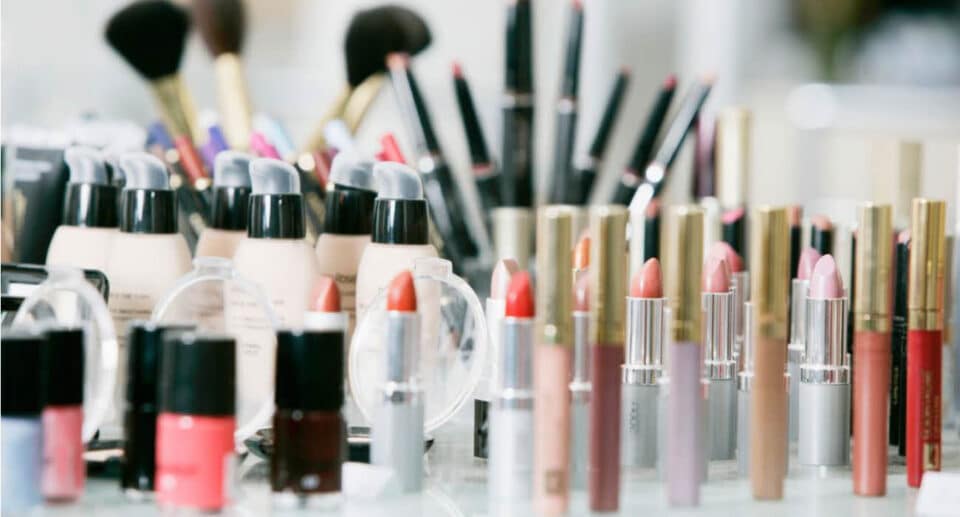
The need for non-comedogenic makeup and skincare products is constantly testing the market.
The word “comedone” essentially means a clogged pore, also known as a future pimple. Products labeled “non-comedogenic” mean they are formulated to not irritate or trigger acne. However, it’s important to note that there is no standard criterion for being labeled non-comedogenic, so be aware that not everything labeled non-comedogenic is created equal.
The ideal way to prevent breakouts and oil is to use products that are oil-free and non-comedogenic. While foundation and concealer are typically non-comedogenic, other face makeup, such as setting powder and bronzer, can fall into the pore-damaging category.
15 Most Popular Non-Comedogenic Product Brands
Well-known brands offer non-comedogenic makeup, but keep in mind that the composition of their products may vary and it is important to check the label of each specific product:
- Neutrogena
- Clinique
- bareMinerals
- La Roche-Posay
- E.l.f. Cosmetics
- IT Cosmetics
- Tarte Cosmetics
- Dermablend
- Almay
- CoverGirl
- Burt’s Bees
- Maybelline
- Jane Iredale
- Urban Decay
- Smashbox
Dermatological makeup for acne-prone skin
Acne and makeup have had a somewhat contentious relationship over the years. There are several ingredients commonly found in cosmetics that contribute to breakouts. This is exacerbated when you already have acne-prone skin.
The underlying problem of acne is that oil from hair and dead skin cells clog a follicle in the skin, providing an environment for bacteria already present on the skin to spread to the follicle.
Hormones, particularly active in young adults, can play a role. The same is true for pregnancy or a person’s tendency to have naturally oily skin.
Some people also believe that certain foods can trigger an acne breakout. Research suggests that high-glycemic diets and those high in dairy can worsen acne. However, in general, acne is not caused by diet. Another problem is that there are no federal regulations or Food and Drug Administration (FDA) rules regarding the use of the term “noncomedogenic” for products like moisturizers and makeup. For mild acne, beneficial ingredients include benzoyl peroxide, resorcinol, salicylic acid, and sulfur.
Non-comedogenic oil-free makeup brand
Among the ingredients found in comedogenic makeup are Acetylated Lanolin, Benzaldehyde, Isopropyl Palmitate, Lauroyl Lysine, Lauric Acid, Stearic Acid, Additives A & D, and Vitamin A Palmitate.
Among the most recommended makeup and skincare products are:
- NARS Cosmetics Radiant Creamy Concealer (various shades)
- VICHY Dermablend SOS Cover Concealer Stick
- bareMinerals Original Foundation SPF 15
- Lancôme Teint Idole Ultra Liquid 24H Long-Wearing Foundation SPF 15
- Maybelline FIT ME! Foundation
- Avène Extremely Gentle Cleanser
- La Roche-Posay Rosaliac Cleansing Gel
Not all comedogenic ingredients clog pores equally. Some are more likely to clog pores than others. This is called comedogenicity, which is therado de probabilidad de que un ingrediente obstruya los poros o tenga propiedades comedogénicas.
How do non-comedogenic oils help?
This is because they don’t clog pores, allowing the skin to breathe, stay hydrated, and keep it free of breakouts.
Comedones can take the form of blackheads, whiteheads, or skin-colored bumps and occur when skin pores become clogged with oil, debris, or dirt.
Comedogenic oils and products made with them can clog pores and cause comedones to erupt. Non-comedogenic oils don’t have this effect.
Some non-comedogenic oils have anti-inflammatory properties. They may also contain antioxidants, vitamins, and essential fatty acids, such as linoleic acid. This can make them especially beneficial, whether used alone or as an ingredient in manufactured skincare products.
Some oils can be applied directly to the skin or used as a carrier oil to help deliver another type of oil to the skin. There are many non-comedogenic oils, including grape seed oil, sunflower seed oil, neem oil, hemp seed oil, and sweet almond oil.
Just like switching to clean beauty products, switching to non-comedogenic makeup and skincare is a slow process. Many of your favorite cleansers, foundations, moisturizers, and more can contain these pesky, pore-clogging ingredients.
While non-comedogenic ingredients won’t cure acne, they also won’t exacerbate your breakouts. Some helpful ingredients may include benzoyl peroxide, salicylic acid, and retinol.
Start by switching to the products you use most on your face, such as moisturizer and eye cream.
Other facial products to consider include makeup, such as foundation, concealer, blush, bronzer, and finishing powder.
When switching to non-comedogenic cosmetics, prioritize the products you use most often.
Don’t settle for reading the news.
Access the intelligence that allows you to create it.
Join the Private Circle and become part of B2B Market Intelligence.

¿Cuáles son las marcas más buscadas en Internet?
Descubre nuestros informes de estadísticas sobre lo que el consumidor busca en internet y las tendencias del sector.

